Estate planning is meant to reflect a person’s true wishes—who receives their assets, who manages their affairs, and how their legacy is carried forward. When outside pressure interferes with those decisions, the results can be unfair, harmful, and legally questionable. This is where the concept of undue influence becomes important.
BLOG
How to Respond to a Cease and Desist Letter for Trademark Use
Receiving a cease and desist letter regarding trademark use can feel alarming, especially for business owners who have invested time and resources in building their brand. However, this type of letter does not automatically mean you are in the wrong—or that you must immediately comply with every demand. What matters most is how you respond.
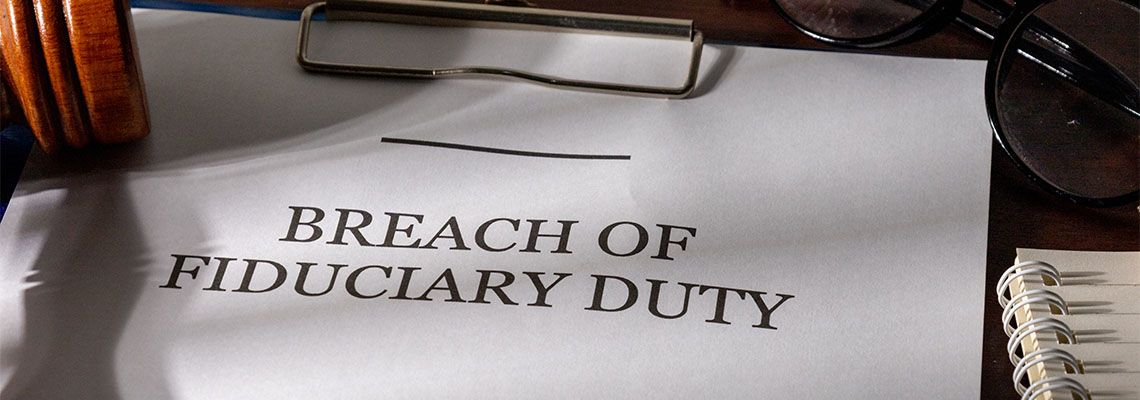
When Directors Breach Fiduciary Duty: Legal Remedies for Shareholders
Shareholders put their trust and their money into a business with the expectation that the board of directors will act in the company’s best financial interests. Unfortunately, directors sometimes put their own personal gain ahead of the company. When this happens, shareholders need strong legal representation to protect their investments.
What Happens When a Former Employee Steals Confidential Data?
When a business discovers that a former employee has stolen confidential information, the fallout can be immediate and severe. This act of betrayal can jeopardize customer relationships, expose trade secrets, and threaten the company's financial stability. For businesses, understanding the steps to take is fundamental.
Proving a Pattern of Racketeering: Civil RICO Explained
When your business partner lies, cheats, or steals, it often feels personal. But when that deception turns out to be part of a larger, systematic scheme to defraud you and others, it might be more than just a breach of contract or simple fraud. It could violate the Racketeer Influenced and Corrupt Organizations Act, commonly known as RICO.
What Happens to Intellectual Property in a Partnership Dissolution?
When a business partnership ends, partners often focus on dividing tangible assets like bank accounts, equipment, and real estate. However, one of the most valuable and frequently overlooked asset categories is intellectual property (IP).
What Makes a Strong Argument on Appeal?
Losing a court case can feel like the end of the road, but the legal process often provides another opportunity to pursue a just outcome. When a trial court makes a mistake, the appeals process allows a party to seek a review of that decision.
How Securities Fraud Impacts Company Reputation and Value
When a company is built on a foundation of trust with its investors and the public, the discovery of securities fraud can cause that foundation to crumble. When a business is accused of securities fraud, the consequences can be devastating. That's why having a seasoned litigation attorney is vital when disputes arise.
Denied Coverage? Here’s How to Challenge an Insurance Dispute
Receiving a denial letter from your insurance company can be a frustrating and disheartening experience, especially after a significant loss. You pay your premiums faithfully, trusting that you will be protected when you need it most. When that trust is broken, it's important to know you have options.
The Role of Expert Witnesses in Complex Business Lawsuits
When a business dispute escalates to litigation, the details can become incredibly complicated. This is particularly true in complex business lawsuits where specialized knowledge is required to understand the facts of the case. For business owners and executives facing these challenges, having seasoned legal representation is fundamental.